Novelhalla
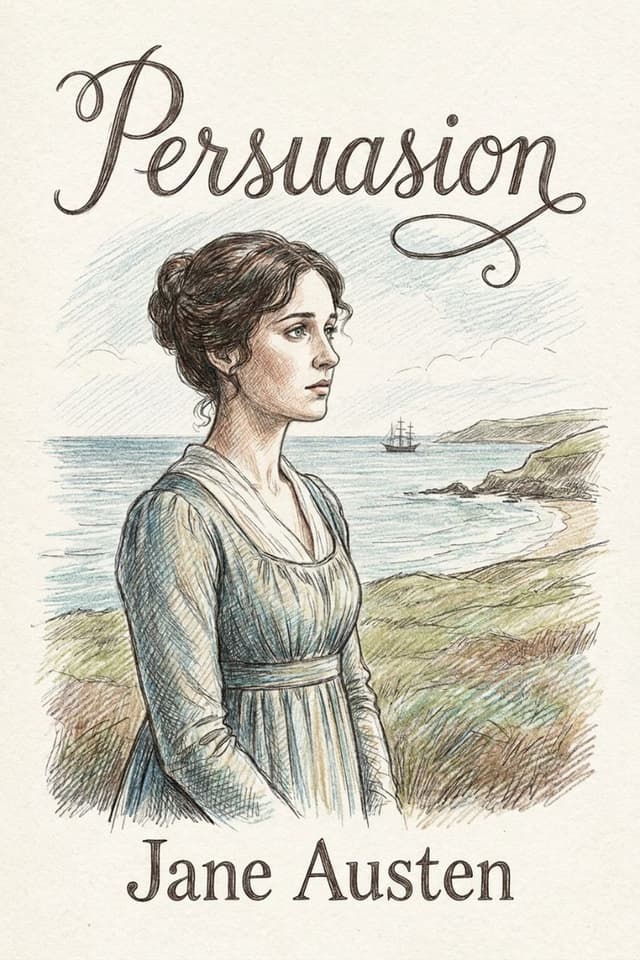
Persuasion
Read Persuasion by Jane Austen for free on Novelhalla, and try out our easy-to-read modern edition of this classic book. You can also download the EPUB and read it on any device if you prefer!
The Plot
Anne's Story
Anne Elliot is twenty-seven years old, unmarried, and living in the shadow of a decision she made eight years ago. At nineteen, she fell deeply in love with Frederick Wentworth, a young naval officer with no fortune and uncertain prospects. They were engaged, but Anne was persuaded to break it off by her older friend and mentor Lady Russell, who believed the match was beneath her and too risky.
Wentworth left, bitter and hurt. Anne has quietly regretted the decision ever since.
Now the Elliot family is in financial trouble. Anne's father, Sir Walter Elliot, is a vain and foolish man obsessed with rank and appearances who has spent his way into debt. The family must rent out their ancestral home, Kellynch Hall, and retreat to cheaper lodgings in Bath. The tenants who take the estate? Admiral and Mrs. Croft. Mrs. Croft happens to be Frederick Wentworth's sister.
Wentworth returns to the neighborhood, now a captain made wealthy by the Napoleonic Wars. He is successful, confident, and still single. And he has not forgiven Anne.
The Reunion
What follows is a slow, painful dance of proximity and distance. Anne and Wentworth move through the same social circles, attend the same gatherings, stay in the same houses. They speak politely when required but avoid real conversation. Anne watches as Wentworth pays attention to the Musgrove sisters, Louisa and Henrietta, young women with the lively spirits Anne once had before disappointment wore her down.
The novel traces Anne's quiet suffering as she observes the man she still loves apparently falling for someone else, while she remains invisible, useful to everyone but valued by no one in her own family.
The Complications
A trip to Lyme Regis brings crisis and change. An accident forces everyone to reconsider their assumptions. Meanwhile, Anne's cousin William Elliot, heir to her father's title, reappears after years of estrangement and begins paying Anne flattering attention. He seems reformed, charming, everything proper. But Anne has learned to be wary of persuasion, and something about her cousin doesn't sit right.
The story moves to Bath, where the social world grows more complex and the question of what Anne and Wentworth truly feel for each other finally demands an answer.
About the Author: Jane Austen
Early Life
Jane Austen was born in 1775 in Steventon, Hampshire, where her father was the rector. She was the seventh of eight children in a close, affectionate family that valued reading, writing, and wit. She began writing stories as a teenager, producing sharp parodies and comedies for family entertainment.
A Writer's Life
Austen never married, though she received at least one proposal and may have had a brief romance that ended unhappily. She lived with her family her entire life, moving from Steventon to Bath (a city she disliked) to Southampton and finally to Chawton, where she did most of her mature writing.
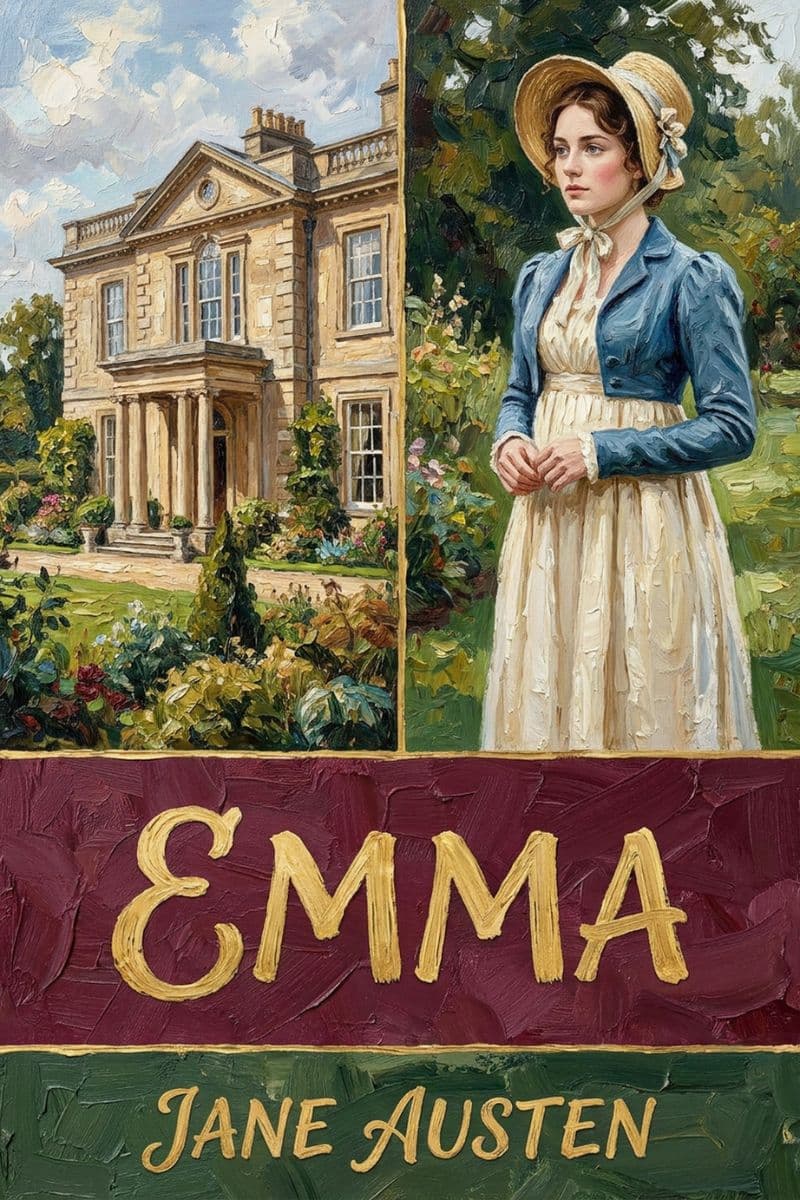
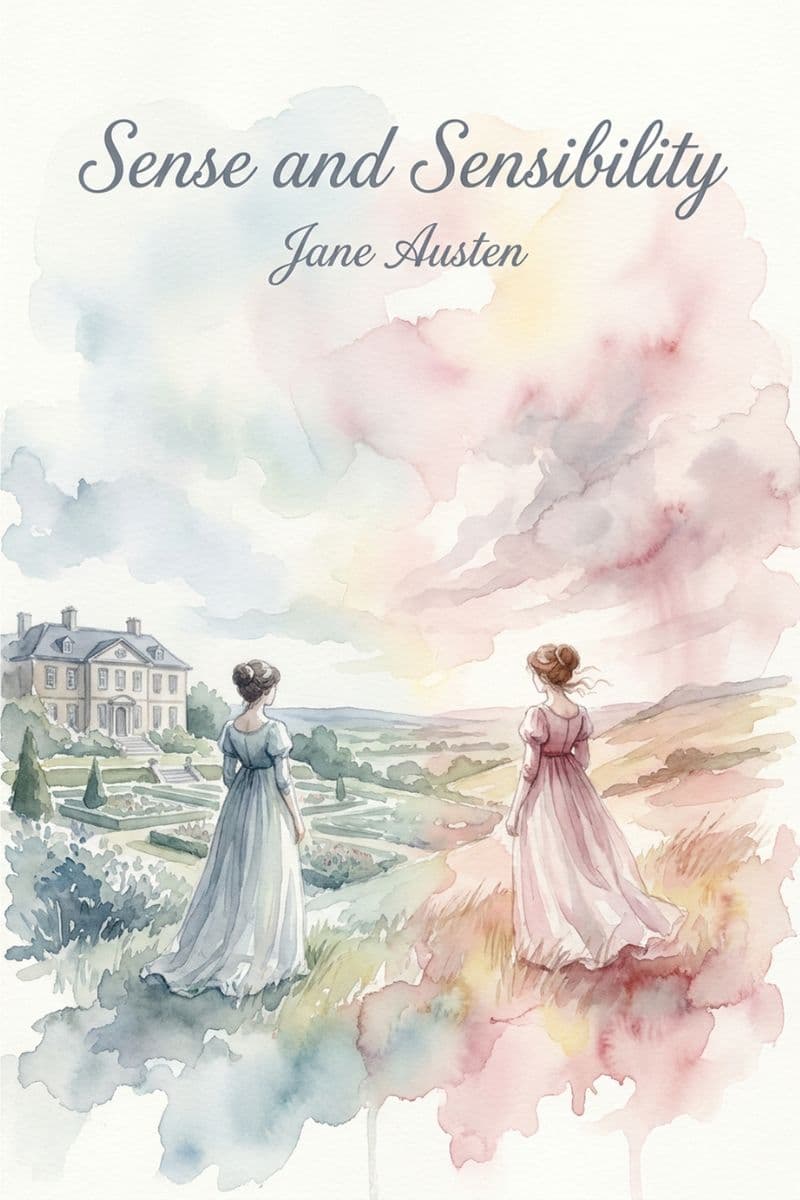
She published four novels during her lifetime: Sense and Sensibility (1811), Pride and Prejudice (1813), Mansfield Park (1814), and Emma (1815). All were published anonymously, credited only to "A Lady." She earned modest sums and a small following but nothing like the fame that would come later.
Final Years
Austen began experiencing health problems in 1816, likely from Addison's disease, though the diagnosis is uncertain. She continued writing through her illness, working on Persuasion and beginning a new novel, Sanditon. She died in July 1817 at age 41 in Winchester, where she had gone seeking medical treatment.
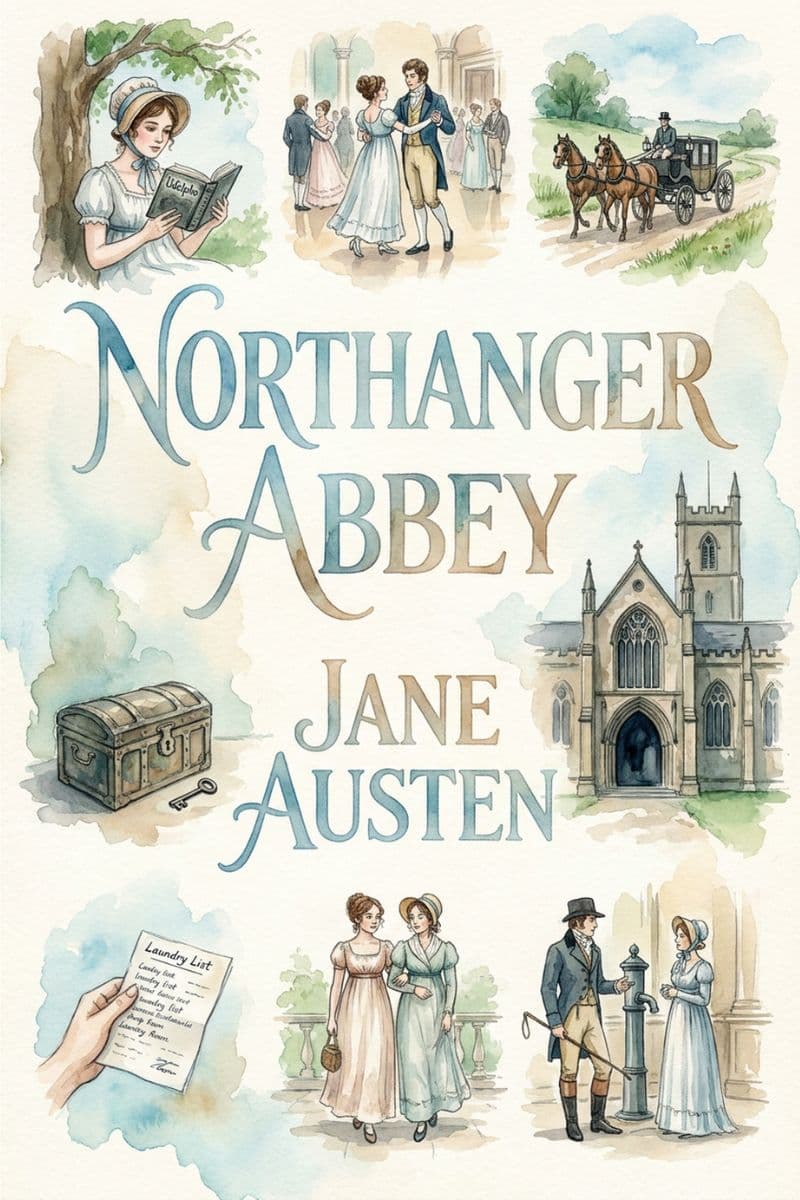
Persuasion and Northanger Abbey were published together posthumously in December 1817, with a biographical note by her brother Henry that finally revealed her identity to the public.
Legacy
Austen's reputation grew steadily through the 19th century and exploded in the 20th. Her novels have never been out of print. She is now considered one of the greatest writers in English, her work endlessly adapted, analyzed, and adored.
Fun Facts About the Book
Austen's Last Completed Novel
Persuasion was the final novel Austen finished before her death. She completed the first draft in 1816 and was revising it when her health declined. The novel has a autumnal quality that many readers attribute to Austen's awareness of her own mortality.
The Rewritten Ending
Austen was dissatisfied with her original ending and rewrote the final chapters. The first version had a more conventional drawing-room revelation scene. The revised version, with its famous letter, is considered one of the finest romantic climaxes in English literature. The original ending survives and is often published as an appendix.
The Title
Austen herself never titled the novel. "Persuasion" was chosen by her brother Henry when he arranged for posthumous publication. Some scholars believe she might have called it "The Elliots" based on her working habits with other novels.
An Older Heroine
At twenty-seven, Anne Elliot is the oldest of Austen's heroines and the only one whose great romance is behind her at the story's start. The novel is unique in Austen's work for being about a second chance rather than a first love.
The Navy Connection
Two of Austen's brothers, Francis and Charles, were naval officers who served during the Napoleonic Wars. Her detailed and affectionate portrayal of naval characters in Persuasion drew directly from their experiences and the pride she felt in their careers.
Bath
Austen lived in Bath from 1801 to 1806 after her father's retirement. She was reportedly unhappy there, and her novels reflect this. Bath is treated with gentle satire in Northanger Abbey and with something closer to distaste in Persuasion, where it represents vanity and artificiality compared to the country and the seaside.
The Cobb at Lyme
The dramatic scene at Lyme Regis takes place on the Cobb, a historic stone harbor wall. The spot has become a literary pilgrimage site for Austen fans, though the jump that causes such chaos in the novel seems surprisingly undramatic in person.
Shortest of the Six
Persuasion is the shortest of Austen's six completed novels, with a more compressed structure and less comic subplot than her earlier work. Some readers find it her most emotionally direct and moving book as a result.
Themes
Second Chances
The novel is fundamentally about whether the past can be redeemed. Can a mistake made at nineteen be corrected at twenty-seven? Can love survive years of separation and silence? Austen suggests that growth and constancy together might make renewal possible.
The Value of Constancy
Anne's defining trait is her steadfastness. She has loved Wentworth for eight years without encouragement. The novel asks whether such constancy is admirable or merely passive, and ultimately validates Anne's quiet faithfulness over flashier forms of romantic attachment.
Persuasion and Autonomy
The title points to the novel's central question: when should we listen to others, and when must we trust ourselves? Anne was persuaded against her own judgment and suffered for it. But the novel doesn't simply condemn Lady Russell's advice. It explores the genuine difficulty of making decisions when young, inexperienced, and dependent.
Class and Merit
The novel contrasts inherited status with earned distinction. Sir Walter represents the bankruptcy of mere rank without character. The naval officers represent a meritocracy where talent and effort are rewarded. Anne must learn to value substance over surface.
Women's Limited Options
Anne has no money of her own, no profession, no real autonomy. Her options are marriage or dependent spinsterhood within her dismissive family. The novel quietly but clearly shows how these constraints shape women's lives and choices.
Maturity and Self-Knowledge
Unlike Austen's younger heroines, Anne doesn't need to learn who she is or what she values. She already knows. Her journey is about whether the world will finally allow her to act on that knowledge.
The Book's Legacy
Persuasion is often considered Austen's most romantic novel, its love story deeper and more hard-won than the sparkling courtships of her earlier work. The famous letter scene near the end is regularly cited as one of the greatest moments in romantic fiction.
The novel has been adapted numerous times for film and television, with the 1995 version starring Amanda Root and Ciarán Hinds particularly beloved by Austen fans.
Modern readers often find Anne Elliot the most relatable of Austen's heroines. Her quiet strength, her regret, her invisibility within her own family, and her refusal to stop hoping speak to anyone who has ever felt overlooked while holding onto love.
Persuasion also represents Austen at her most mature and emotionally complex. If Pride and Prejudice is the bright comedy and Emma the social satire, Persuasion is the autumnal meditation, a novel about what it means to get older, to have made mistakes, and to wonder whether happiness might still be possible.